

You wake up feeling pulled in every direction. Work, kids, relationships, and your own mental health all compete for the same limited energy. Many people quietly wonder if real, lasting personal growth is even possible when life feels this relentless. The good news is that it is, and you don't need a perfect schedule or endless free time to make it happen. This guide walks you through every stage of personal development, from honest self-assessment to building resilience and tracking real progress, so you can grow as an individual while showing up better for the people who matter most.
Table of Contents
- Preparation: Assessing your needs and resources
- Step-by-step instructions for building self-awareness
- Cultivating resilience and mental well-being in family life
- Measuring progress and overcoming setbacks
- Our perspective: What most personal growth guides miss
- Next steps: Further your growth journey
- Frequently asked questions
Key Takeaways
| Point | Details |
|---|---|
| Self-assessment is key | Identify your growth needs and available resources before starting your journey. |
| Build self-awareness daily | Regular reflection and mindfulness can drive meaningful personal growth. |
| Resilience supports families | Developing mental well-being helps you and your loved ones thrive together. |
| Track progress and adapt | Measure your results, address setbacks, and adjust strategies as needed. |
Preparation: Assessing your needs and resources
With the big picture in mind, the next step is to evaluate where you are and what you need. Before you can move forward, you have to know your starting point. Self-assessment is not about judging yourself. It's about getting honest so you can make smarter choices about where to focus your energy.
Ask yourself a few direct questions. Where do I feel most stuck right now? Is it in my relationships, my emotional responses, my sense of purpose, or my daily habits? Which area of my life, if improved, would create the biggest positive ripple effect? These questions are not meant to overwhelm you. They're meant to give you a map.
Once you identify your focus areas, the next move is gathering the right resources. Personal growth doesn't happen in isolation. Books, expert guidance, and peer support all play a role. If you're navigating parenting challenges resource, having targeted tools makes a real difference in how quickly you gain traction.
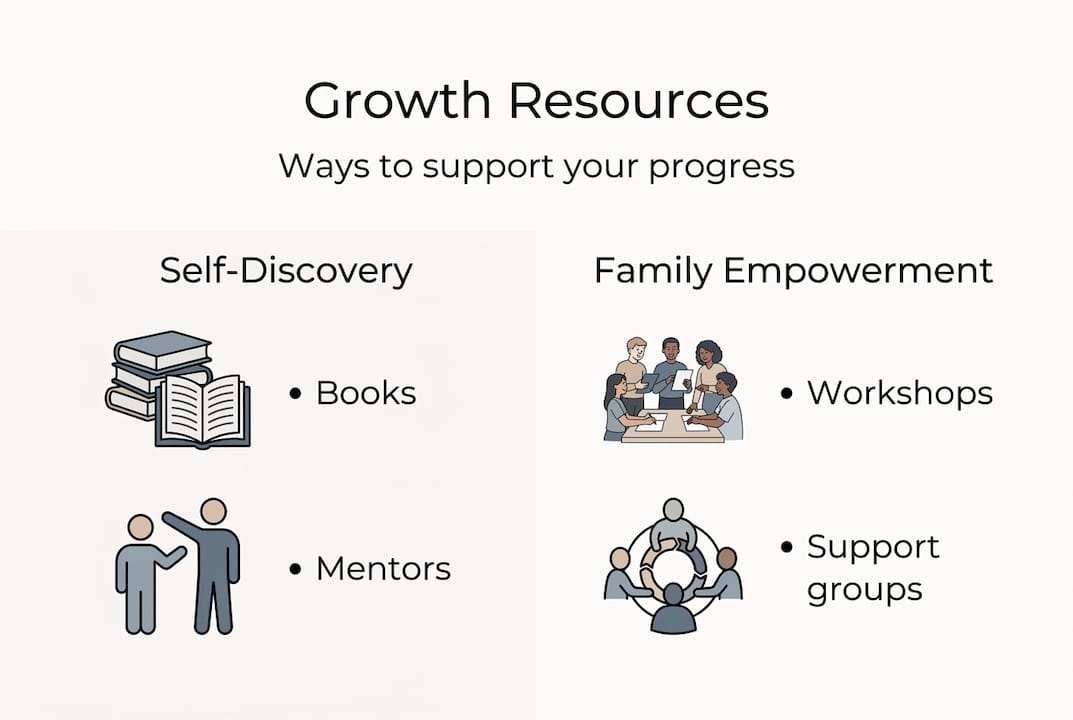
| Resource type | Example | Best for |
|---|---|---|
| Books and e-books | Self-help, psychology, family guides | Deep learning at your own pace |
| Professional counseling | Therapist, psychologist, life coach | Personalized guidance and accountability |
| Online courses | Video lessons, workshops | Structured skill-building |
| Peer support groups | Community forums, local groups | Shared experience and encouragement |
Knowing what's available helps you pick what fits your life right now, not some idealized version of it.
Common obstacles to starting a personal growth journey:
- Fear of confronting uncomfortable truths about yourself
- Not knowing where to begin or feeling overwhelmed by options
- Lack of time due to family or work responsibilities
- Believing change is only possible with major life overhauls
- Feeling isolated without a supportive community
These obstacles are real, but they are not permanent. Most people who struggle to start are not lacking willpower. They're lacking a clear entry point.
Pro Tip: Start with just one area of growth. Trying to fix everything at once is the fastest path to burnout. Pick the single area where improvement would matter most right now, and build momentum from there.
Step-by-step instructions for building self-awareness
Once you've gathered your resources and set your priorities, it's time to take specific steps toward self-improvement. Self-awareness is the skill that makes everything else in personal development work. Without it, you're essentially trying to navigate without a compass. With it, you can catch unhelpful patterns early, understand your emotional triggers, and make choices that actually align with your values.
"Self-awareness is the foundation of all growth."
The encouraging part is that self-awareness is not a personality trait you either have or don't. It's a practice, and like any practice, it improves with repetition. Reading about impactful growth stories from others who have done this work can also reinforce your own commitment when motivation dips.
Five daily steps to build self-awareness:
- Journal for 10 minutes each morning. Write without editing yourself. Focus on how you're feeling, what's on your mind, and what you're anticipating. Patterns will emerge over time.
- Practice a 5-minute mindfulness pause midday. Sit quietly, breathe slowly, and notice your thoughts without reacting to them. This trains your brain to observe rather than just react.
- Ask one reflective question each evening. Try something like: "What triggered me today, and why?" or "Where did I feel most like myself today?"
- Notice your physical responses to emotions. Tension in your shoulders, a tight chest, or a racing heart are your body's early warning system. Learning to read these signals is a powerful tool.
- Review your journal weekly. Look for recurring themes. Are you consistently frustrated in the same situations? Do certain relationships drain you more than others? Patterns reveal priorities.
These steps don't require a retreat or a life coach. They require consistency and honesty. Even 15 minutes a day, done regularly, produces meaningful insight over weeks and months.
Pro Tip: Set a specific, consistent time for self-reflection, ideally the same time each day. Attaching it to an existing habit, like morning coffee or your lunch break, makes it far easier to maintain.
Cultivating resilience and mental well-being in family life
Building on your self-awareness, the next important skill is resilience, especially in the context of family life. Resilience is not about never struggling. It's about recovering faster and learning something useful from each difficulty. For people with family responsibilities, this skill is not optional. It's essential.
Navigating family stress is one of the most common reasons people seek personal development support. The demands of family life can erode emotional reserves quickly, especially when boundaries are unclear or communication breaks down.
According to the American Psychological Association, stress affects 77% of adults physically, and family and work pressures rank consistently among the top sources. That's not a small problem. It means most families are operating under significant strain, often without the tools to manage it well.
| Traditional coping methods | Holistic strategies |
|---|---|
| Ignoring stress until it peaks | Daily emotional check-ins |
| Relying on willpower alone | Building support systems |
| Reacting to conflict impulsively | Practicing pause-and-respond techniques |
| Isolating when overwhelmed | Reaching out to community or peers |
Holistic strategies work because they address the root causes of stress rather than just the symptoms. Joining a personal growth community gives you access to people who understand these challenges firsthand.
Red flags for burnout or emotional fatigue:
- Feeling irritable or short-tempered more often than usual
- Withdrawing from people you normally enjoy being around
- Difficulty sleeping or sleeping too much
- Losing interest in activities that used to bring satisfaction
- Feeling like nothing you do is ever enough
If several of these sound familiar, that's your signal to slow down and prioritize your mental well-being. Resilience is built in small, daily acts, not grand gestures.
Measuring progress and overcoming setbacks
As you work through these strategies, it's crucial to know if you're making real progress and how to bounce back when things go off track. Most people skip the measurement step entirely, which is why so many personal growth efforts stall after a few weeks. Tracking your progress is not about grading yourself. It's about staying connected to the work.

A simple progress journal is one of the most effective tools available. Write down what you tried, what worked, and what didn't. Over time, this record becomes a powerful source of motivation and a practical guide for adjusting your approach. Accessing growth resources from credible platforms can also give you fresh frameworks when you feel stuck.
Simple ways to track progress weekly and monthly:
- Write a brief weekly summary: three things you did well and one thing to improve.
- Rate your emotional well-being on a 1 to 10 scale each week and look for trends.
- Review your original goals monthly and honestly assess what's shifted.
- Note any moments where you responded differently than you would have before.
- Celebrate small wins out loud, whether that means sharing with a friend or writing it down.
Common setbacks and how to troubleshoot them:
- Losing motivation after early progress: Return to your "why" and revisit your original goals.
- Reverting to old habits under stress: Treat it as data, not failure. Identify the trigger and plan a different response.
- Feeling like you're not growing fast enough: Compare yourself to who you were six months ago, not to an ideal version of yourself.
- Isolation creeping back in: Reach out to one person in your support network. Connection is a reset button.
Reframing failure as learning is not just positive thinking. It's a cognitive strategy backed by behavioral psychology. Every setback contains information about what to adjust next.
Pro Tip: Ask a trusted family member or close friend to be your accountability partner. Weekly check-ins, even just five minutes, dramatically increase follow-through on personal goals.
Our perspective: What most personal growth guides miss
Finally, let's reflect on what many personal development resources leave out, and why your journey deserves a broader perspective. Most guides are built around the individual. They assume growth happens in a quiet room with a journal and a clear schedule. That's not most people's reality.
Real growth happens in the mess of daily life, in conversations with your kids, in the moments after an argument when you choose repair over retreat. It happens when you forgive yourself for a bad week and start again on Monday. The most powerful growth we've seen through community-centered growth happens when people stop treating development as a solo project and start sharing their journey with others.
Growth is also not linear. Expecting steady upward progress is a setup for discouragement. The real measure of progress is not how rarely you struggle, but how quickly you recover and what you learn in the process. Adaptability and self-compassion are not soft skills. They are the engine of lasting change.
Next steps: Further your growth journey
With this foundational knowledge, you're ready to go further, and here's how we can help you succeed. Personal development is most powerful when you have the right tools and a community that genuinely supports your goals.
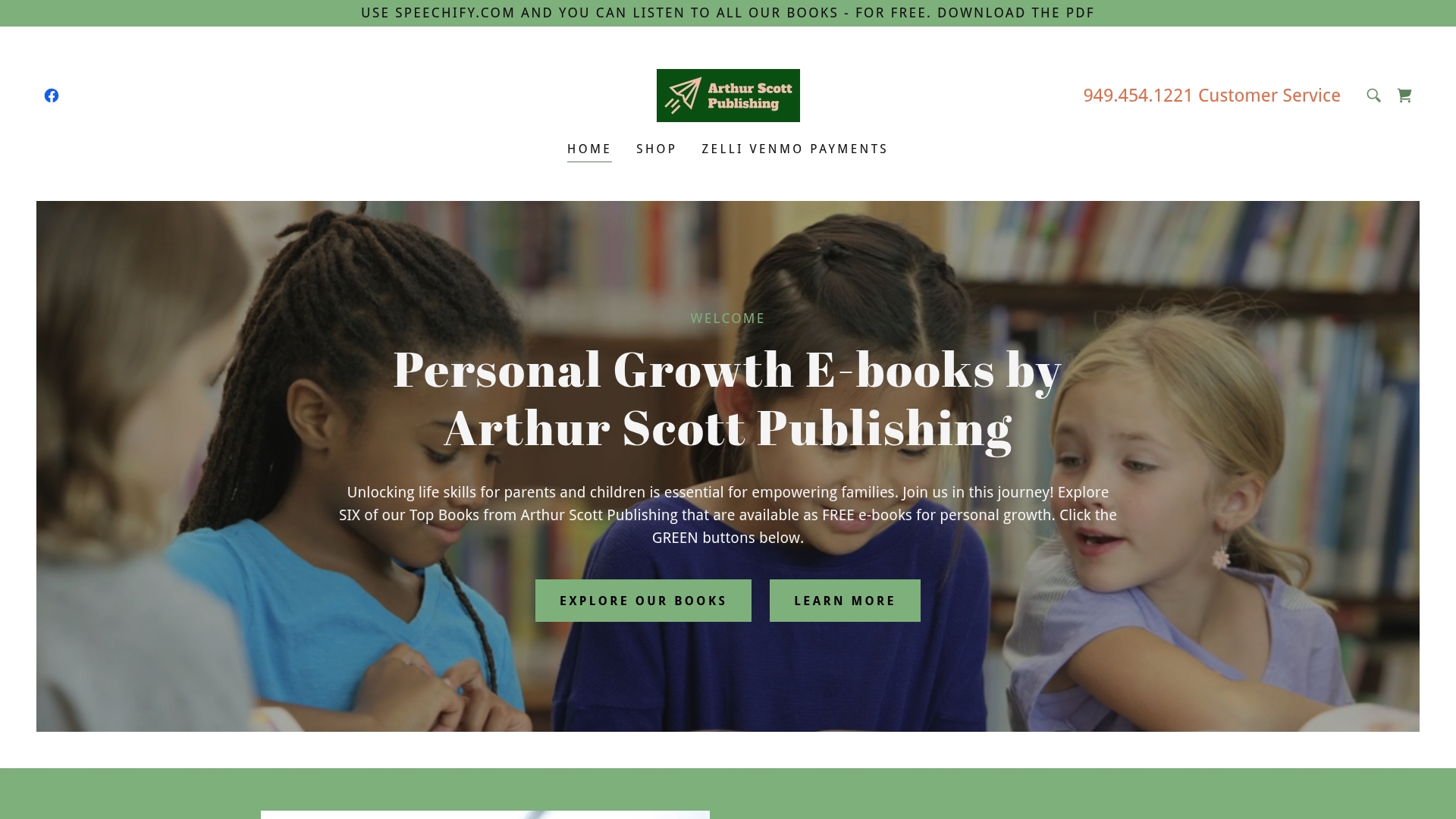
At Arthur Scott Publishing, Dr. Arthur Scott has created free, accessible resources designed specifically for people navigating parenting growth support, mental health challenges, and self-discovery. You can read real success stories from people who have used these tools to create meaningful change in their lives. Whether you're just starting out or deepening an existing practice, explore the full personal development path and find the resources that fit where you are right now. Your next step doesn't have to be big. It just has to be yours.
Frequently asked questions
What is the most effective first step in personal growth?
Begin with an honest self-assessment to clearly identify your strengths and the specific areas where you want to improve. This gives your efforts direction instead of leaving you guessing.
How can I maintain motivation during personal development?
Set specific, realistic goals, track your weekly progress, and make a habit of acknowledging small wins. Motivation follows action, not the other way around.
What if I experience setbacks in my growth journey?
Treat setbacks as useful feedback rather than signs of failure, and use what you learn to adjust your approach. Every detour teaches you something the smooth path wouldn't.
How does family involvement support personal growth?
A supportive family creates a built-in accountability system and offers honest encouragement that outside sources often can't match. Shared growth also strengthens family bonds over time.
Are there free resources for personal growth?
Yes, many high-quality guides, community groups, and downloadable tools are available at no cost, including the free e-books offered through Arthur Scott Publishing.